· بقلم فريق EnvoiFaxGratuit
دليل إرسال فاكس عبر الإنترنت 2026
كيف ترسل فاكسًا من متصفحك في 2026 إلى إدارة فرنسية: ما تحتاجه، والصيغ المقبولة، والمدة الفعلية، والحالات التي يظل فيها الفاكس مطلوبًا قانونًا.
الجواب المختصر: في 2026 لم يعد إرسال الفاكس يتطلب خطًا هاتفيًا تناظريًا ولا جهاز فاكس. يكفي متصفح وملف PDF ورقم المستلم: تتولى بوابة إلكترونية تحويل المستند، ثم تطلب الرقم عبر الشبكة الهاتفية، وتعيد إليك نتيجة الإرسال. وتستغرق الرحلة عادةً بين ثلاثين ثانية وثلاث دقائق.
لماذا لم يختفِ الفاكس بعد؟
منذ عشرين عامًا يُعلَن كل سنة عن نهاية الفاكس، وكل سنة تواصل أقلام كتّاب المحاكم (greffes)، وصناديق التأمين الصحي (CPAM)، والعيادات الطبية، وجزء من المكاتب القانونية في فرنسا استقبال الفاكسات. والسبب ليس الحنين إلى الماضي، بل القيمة الإثباتية لتقرير الإرسال.
البريد الإلكتروني يثبت أن رسالة غادرت خادمًا ما. أما تقرير الفاكس فيثبت أن جهاز فاكس محددًا قد أجاب، وقَبِل المستند، وأكّد استلامه صفحةً صفحة. هذا الفرق — الذي يبدو ضئيلًا — يكفي لإبقاء الفاكس حاضرًا في الإجراءات التي يجب أن يكون فيها الإيداع مؤرَّخًا بالساعة وقابلًا للاحتجاج به.
ويُضاف إلى ذلك قيد عملي بسيط: جهاز الفاكس لا يعتمد على صندوق بريد يجب مراقبته، ولا على مرشّح للرسائل المزعجة، ولا على كلمة مرور منتهية الصلاحية. وفي مصلحة يتناوب موظفوها على المكتب كل ثماني ساعات، تلك حجة لها وزنها.
ما الذي تحتاجه فعلًا
القائمة قصيرة:
- مستند بصيغة PDF؛
- رقم المستلم، وهو رقم فاكس فرنسي من عشرة أرقام؛
- عنوان بريد إلكتروني لتلقي تأكيد الإرسال.
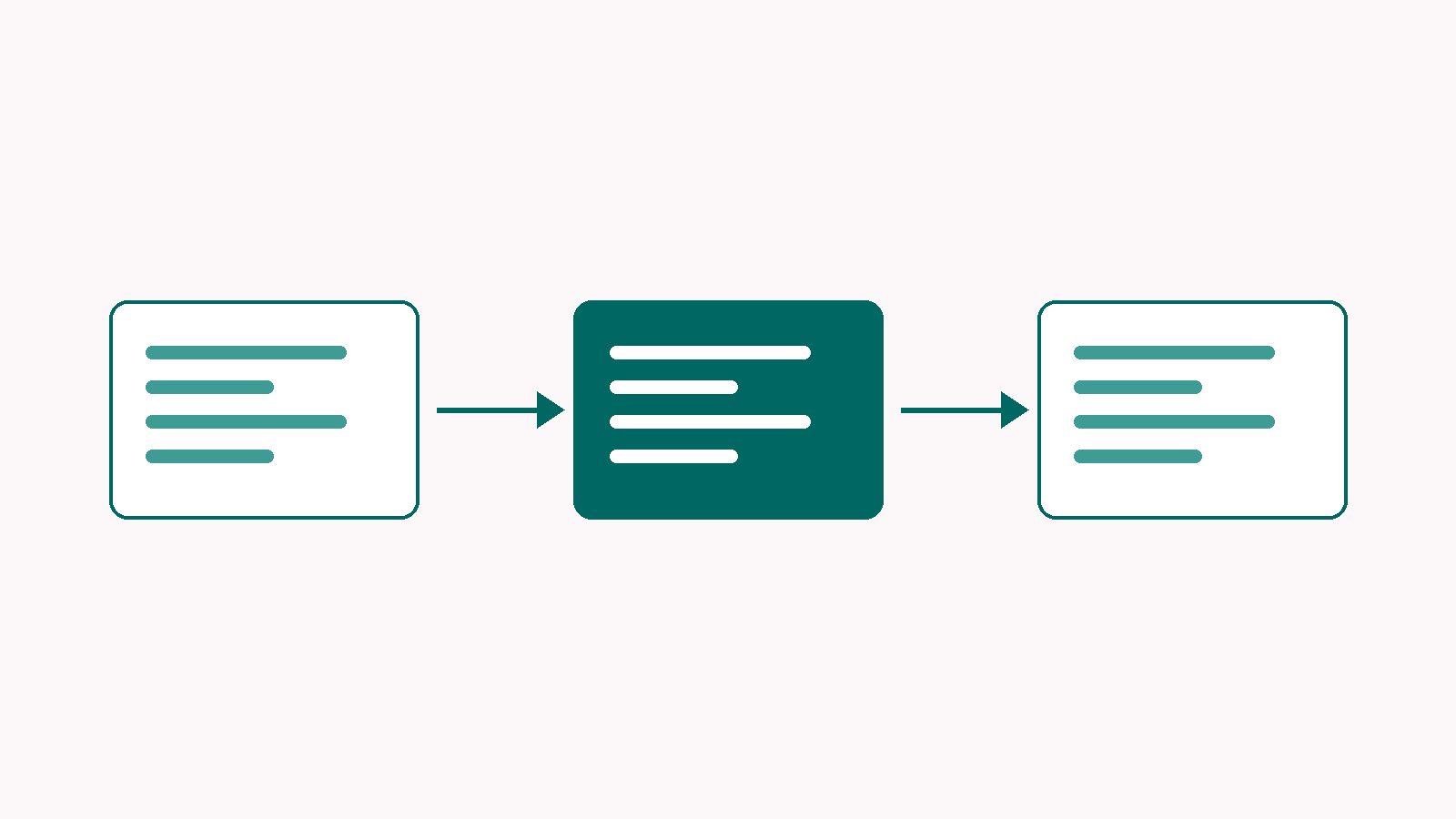
هذا كل شيء. فاكس الصفحة الواحدة مجاني وغير محدود: لا حساب، ولا تطبيق، ولا بطاقة مصرفية. وتتولى البوابة الباقي: تحوّل كل صفحة إلى صورة بالأبيض والأسود بدقة 204 × 196 نقطة في البوصة — وهي الدقة المعيارية لفاكس «المجموعة 3» — ثم تتفاوض على الإرسال مع جهاز الفاكس البعيد.
الصيغ التي تمرّ، والتي تفشل
صيغة PDF هي الوحيدة التي لا تحمل مفاجآت. فالصيغ المكتبية يجب تحويلها قبل تحويلها إلى صورة، وهذا التحويل يجلب خطرين معروفين: الخطوط غير المضمّنة في الملف تُستبدل بغيرها، والتنسيقات المرنة يُعاد ترتيبها. فقد يتحول جدول كان يشغل صفحة واحدة إلى صفحتين.
أما الصور فتطرح المشكلة المعاكسة: صورة ملتقطة بالهاتف تحتوي على درجات رمادية أكثر مما تحتمله إشارة ثنائية (أبيض أو أسود). فغالبًا ما تصل سوداء أو غير مقروءة. وإن كان عليك إرسال وثيقة مصوّرة، فحوّلها أولًا إلى PDF مع رفع التباين.
اكتب الرقم بشكل صحيح
هذا هو السبب الأول لفشل الإرسال بفارق كبير، وهو قابل للتفادي تمامًا.
تُرسل خدمتنا إلى الأرقام الفرنسية فقط: عشرة أرقام تبدأ بـ 01 أو 02 أو 03 أو 04
أو 05 أو 09. اكتب الرقم كما يظهر على مراسلات الإدارة، مثل 01 23 45 67 89. وإن
وجدته مكتوبًا بالصيغة الدولية +33 1 23 45 67 89، فتذكّر أن الصفر الأول يسقط بعد
الرمز +33: أما الصيغة الخاطئة +33 01 23… فتنتج رقمًا غير صالح ترفضه الشبكة دون
رسالة خطأ واضحة. ولا تُقبل أرقام الهاتف المحمول (06 و07) ولا الأرقام الخاصة (08).
وإن كنت تقيم خارج فرنسا، فلا مشكلة: الإرسال يتم من المتصفح، أينما كنت، ما دام الرقم المطلوب فرنسيًا. ونحتفظ بصفحتين مرجعيتين حول صيغ الأرقام: قائمة رموز الاتصال الدولية وقائمة الدول المتاحة، التي توثّق لكل بلد صيغة الأرقام المعتمدة.
وللتواصل مع الإدارات الفرنسية، يجمع دليل أرقام الفاكس أرقام أبرز الهيئات العمومية — وهو مفيد حين لا يعرض الموقع الرسمي سوى استمارة تواصل.
كم يستغرق الأمر فعلًا؟
تُرسَل صفحة نصية عادية في ثلاثين إلى أربعين ثانية. ويتطلب مستند من عشر صفحات دقيقتين إلى ثلاث دقائق. وهذه مدة الإرسال نفسه، بعد إنشاء الاتصال.
وما يطيل المدة ليس الحجم في الغالب، بل المستلم. فالخط المشغول يؤدي إلى محاولة جديدة بعد بضع دقائق. وجهاز الفاكس الذي نفد ورقه قد يقبل الاتصال ثم يقطع الاستقبال في منتصفه. والمقسم الذي يحوّل المكالمة إلى مجيب صوتي لن يردّ أبدًا بنغمة فاكس.
عمليًا، احسب أن الإرسال الناجح يتم خلال خمس دقائق، واعتبر أن المشكلة بعد ثلاث محاولات فاشلة تكمن في الرقم أو في جهاز الطرف الآخر.
السرية: ما يجب معرفته
الفاكس ليس مشفّرًا من طرف إلى طرف. المسار بين متصفحك والبوابة مشفّر — إنه TLS كأي صفحة ويب. أما الجزء الأخير، بين البوابة وجهاز فاكس المستلم، فيمرّ عبر الشبكة الهاتفية دون تشفير.
وهذا يعني أمرين عمليًا. أولًا، يخرج المستند فعليًا على درج جهاز في مكتب، ويبقى هناك حتى يأخذه أحد. ثانيًا، الفاكس ليس القناة المناسبة لإرسال كلمات المرور أو البيانات المصرفية. أما شهادة طبية موجّهة إلى عيادة لا تقبل إلا هذه القناة، فإن الخطر فيها مماثل لخطر البريد الورقي.
الخلاصة
- يبقى الفاكس حيًا بسبب تقرير الإرسال، لا بحكم العادة.
- يكفي ملف PDF ورقم فاكس فرنسي صحيح وعنوان بريد إلكتروني.
- صيغة PDF هي الوحيدة الخالية من المفاجآت؛ تجنّب الصور الخام.
- لا تُبقِ أبدًا على الصفر الأول بعد الرمز +33.
- يكتمل الإرسال العادي في أقل من خمس دقائق.
- الجزء الأخير غير مشفّر: لا كلمات مرور ولا بيانات مصرفية.
أسئلة شائعة
هل أحتاج إلى جهاز فاكس لإرسال فاكس عبر الإنترنت؟
لا. تقوم البوابة بهذا الدور: فهي تملك الخطوط الهاتفية وتجهيزات الإرسال. لا تحتاج إلا إلى متصفح ومستند. المستلم وحده يجب أن يملك جهاز فاكس أو خدمة استقبال.
كيف أعرف أن الفاكس وصل فعلًا؟
يصلك بريد إلكتروني مجاني يؤكد نتيجة الإرسال. وإن احتجت إلى وثيقة تُحفظ في ملفك، يمكنك طلب إشعارات الاستلام بصيغة PDF (طلب الإرسال + تقرير الإرسال)، وهي خيار مدفوع بسعر 3,99 € شاملة الضريبة: يذكر التقرير عدد الصفحات المرسلة فعلًا وحالة الاتصال. ويظهر فيه الإرسال الجزئي — ثلاث صفحات من خمس — بوضوح، مما يتيح إعادة الإرسال دون انتظار ردّ المستلم.
هل يمكن إرسال فاكس إلى رقم هاتف محمول؟
لا. يفترض بروتوكول «المجموعة 3» اتصالًا تناظريًا مستقرًا لا توفره شبكة المحمول. يجب أن يكون الرقم رقم خط ثابت فرنسي موصول بجهاز فاكس أو ببوابة استقبال.
هل الخدمة مجانية حقًا؟
نعم: فاكسات الصفحة الواحدة مجانية وغير محدودة، دون حصة ودون تسجيل. وحدها المستندات المكوّنة من صفحتين فأكثر، وإشعارات الاستلام PDF الاختيارية، مدفوعة (3,99 € شاملة الضريبة لكلٍّ منها). وتجد التفاصيل الدقيقة في الأسئلة الشائعة.