· di L'équipe EnvoiFaxGratuit
Online Fax: Optimizing Professional Document Workflow
How to digitize fax sending and receiving for medical practices and law firms while complying with GDPR and professional secrecy.
Questo articolo non è ancora disponibile nella tua lingua; ecco la versione inglese.
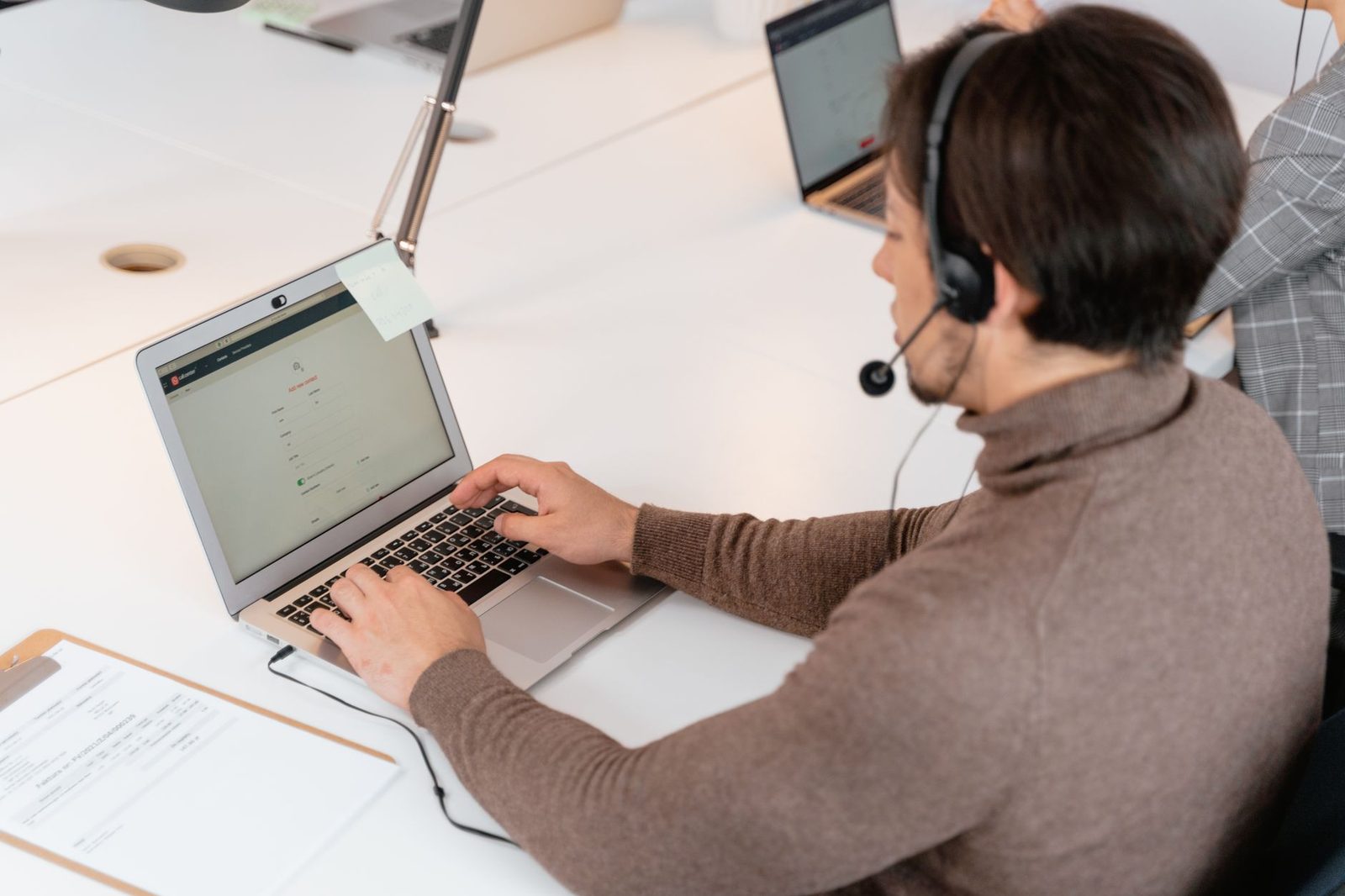
Short answer: for legal or healthcare professionals, optimizing document workflow means transitioning from analog fax to online fax. This shift eliminates physical dependence on a machine, automates the sorting of received documents, and ensures rigorous traceability of transmissions. The challenge is no longer just about "sending a piece of paper," but integrating the fax stream directly into a digital workflow (EDM, patient file, or client file) while respecting strict GDPR obligations and professional secrecy. The key lies in choosing a service capable of converting incoming streams into secure, indexable PDFs.
The Workflow Asymmetry: Why Fax Persists in Professional Environments
In a law firm or a clinic, a paradoxical phenomenon is observed: while collaborative communication tools and secure portals are becoming widespread, the fax remains a standard. Why? Because fax is a "universal" protocol that doesn't require the sender and receiver to share the same software, the same cloud account, or the same electronic signature.
For a doctor, sending a report to a colleague via online fax is often faster than creating an account on a third-party portal. For a court clerk, receiving a document by fax remains a familiar and secure procedure. However, maintaining a physical machine creates bottlenecks:
- Digital chain disruption: A digital document is received, printed to be faxed, and then the recipient receives it and must scan it for archiving. This is a loss of time and quality.
- Risk of loss: A piece of paper that slips behind the receiving tray or is misfiled can have serious consequences, particularly regarding legal statutes of limitations.
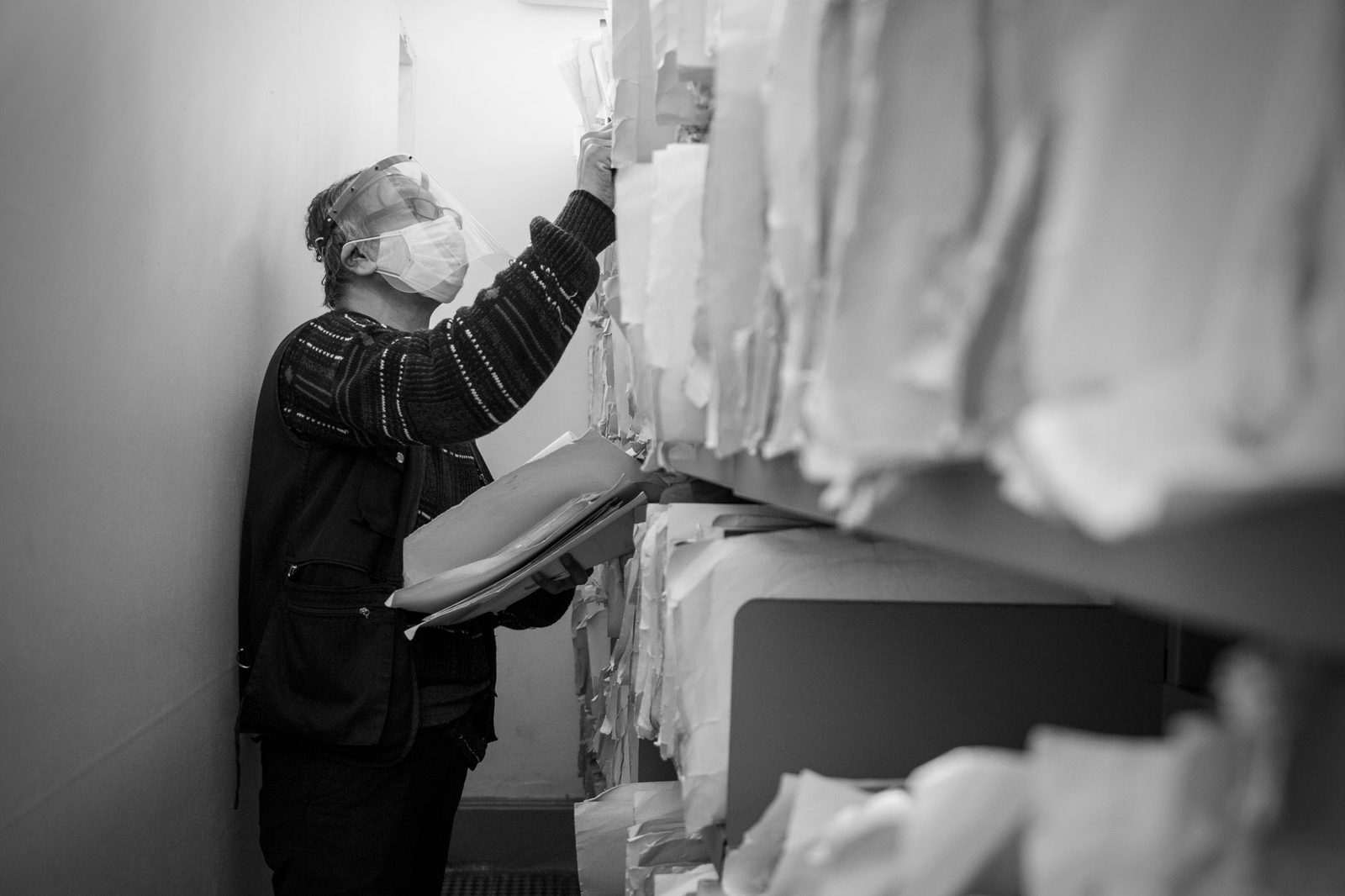
- Physical clutter: Storing paper transmission reports quickly becomes unmanageable.
Digitizing Reception: From the Paper Tray to the Digital Folder
Switching to online fax transforms reception from a passive act (waiting for the machine to print) into an active act of document management. Instead of a stack of sheets, the professional receives an email or a notification in their management software.
To optimize this flow, it is recommended to adopt a strict naming convention upon reception. A document received via online fax can be immediately renamed (e.g., 20260903_CLIENT_NAME_Doc1.pdf) and dragged into the corresponding folder. To facilitate this sorting work, using a second monitor allows you to view the received document while organizing folders on the main screen.
Securing Incoming Flows
Data protection authorities regularly remind us that the protection of health data and professional secrets is paramount. Online fax, if correctly configured, is far more secure than a physical machine. The document is no longer exposed in a hallway; it arrives in an encrypted space accessible only via secure credentials.
This is where the concept of "paperless" comes in. By eliminating systematic printing, the risk of information leaks is drastically reduced. For those who must still handle a few physical documents, investing in a cross-cut paper shredder remains indispensable for eliminating drafts or printing errors without leaving exploitable traces.
Optimizing Sending: Speed and Probative Value
Sending a fax via the Internet allows the transmission to be integrated directly into the workflow. No more getting up, dialing a number, and waiting for the confirmation beep.
The Transmission Report: Your Best Evidence
One of the major advantages of online fax is the automatic generation of a digital transmission report. This document, which certifies the date, time, and success of the reception, has immense organizational value. In the event of a dispute over the sending date of a document, this digital report, archived with the original document, constitutes solid evidence.
To guarantee the integrity of these reports, some professionals use a secure external hard drive to perform redundant backups of their digital archives, thus avoiding any data loss in the event of a server failure.

Integration into a Global Digitization Strategy
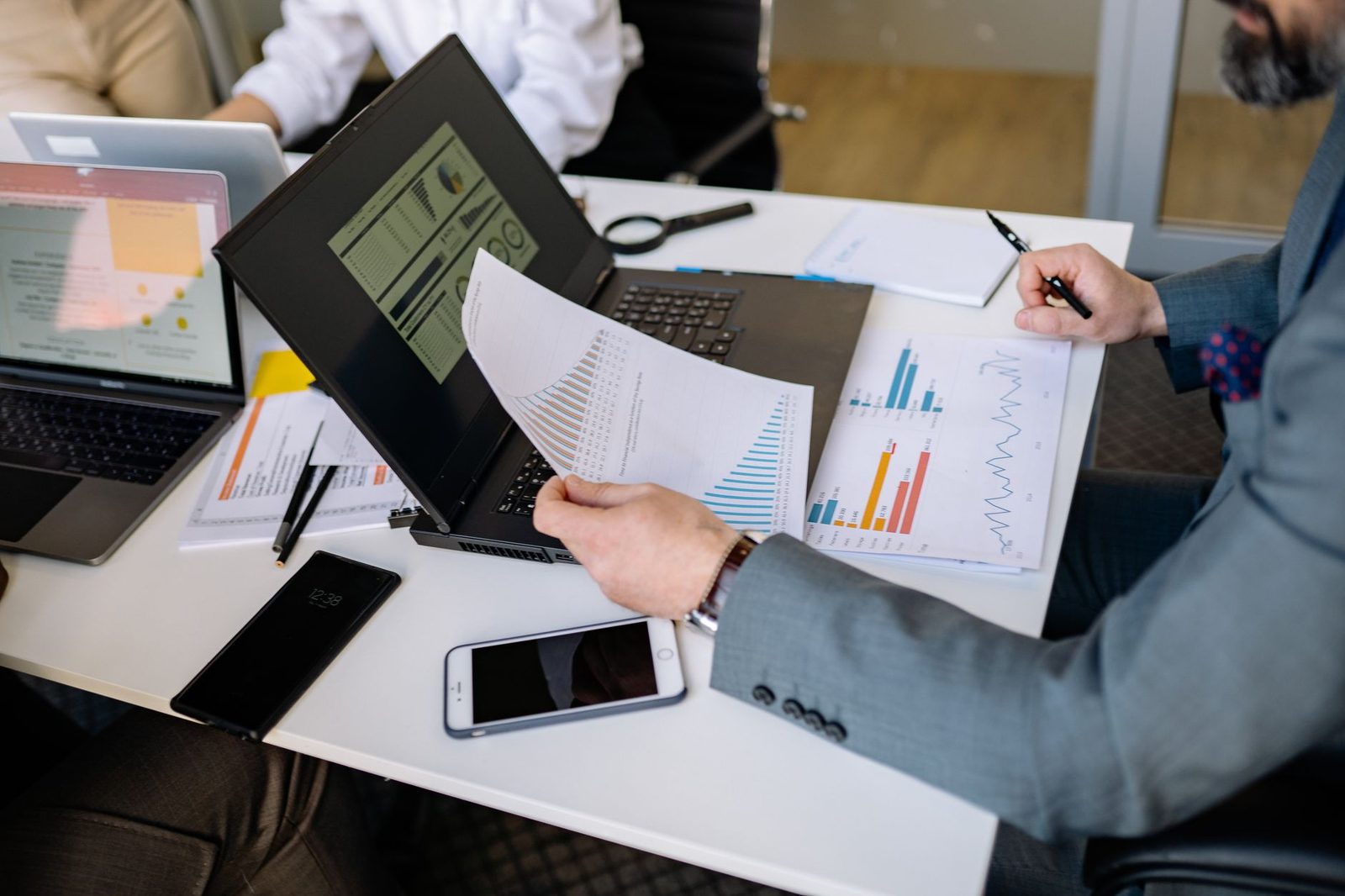
Online fax should not be seen as an isolated tool, but as a building block of digitization. For a medical or legal practice, the goal is to achieve an "end-to-end" digital flow.
| Step | Traditional Flow | Digitized Flow |
|---|---|---|
| Reception | Paper print → Manual sorting | PDF → Email/App Notification |
| Processing | Manual entry → Scan → Archiving | Indexing → Drag-and-drop into EDM |
| Sending | Print → Machine → Waiting | PDF Upload → Instant sending |
| Proof | Stapled paper report | Timestamped digital log |
To support this transition, staff training is crucial. Adopting ergonomic supports, such as an ergonomic wrist rest, may seem anecdotal, but it is essential for administrative staff who now spend 100% of their time in front of a screen managing these digitized flows.
Toward Increased Compliance (GDPR and HDS)
For healthcare professionals, the question of data hosting is central. Online fax must fit within a framework compliant with health agency and data protection recommendations. The use of services respecting HDS (Health Data Hosting) standards is strongly recommended to avoid any regulatory sanctions.
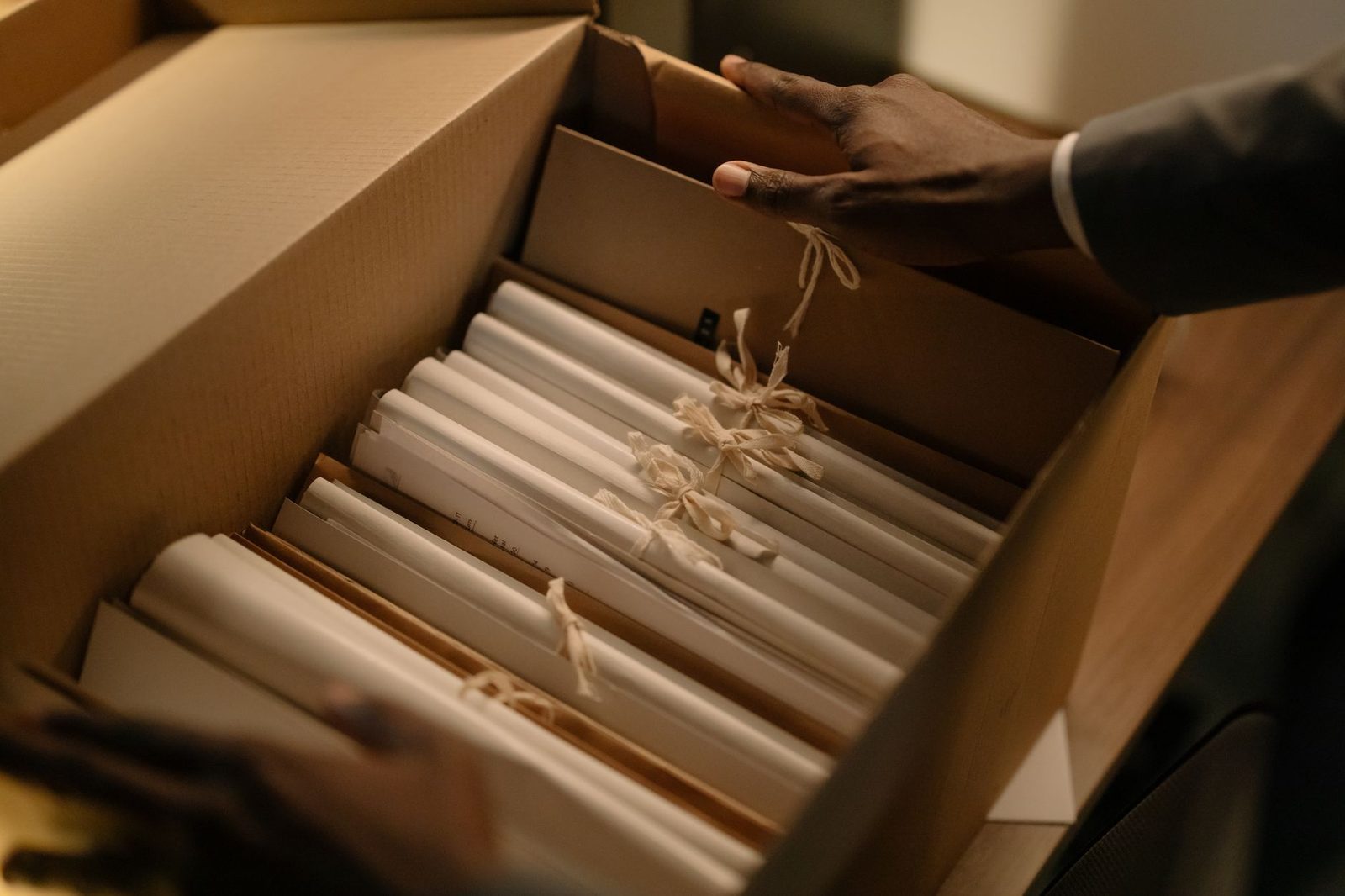
Digitization also allows for better management of the "right to be forgotten" and legal retention periods. It is much simpler to purge digital files after 10 years than to sort through dusty archive boxes in a cellar. To organize this archiving, using a minimalist desk organizer allows you to keep only the current day's files within reach, while everything else is secured in the cloud.
Frequently Asked Questions
Is online fax compatible with practice management software?
Yes, most online fax services transmit documents in PDF format, which is the universal standard accepted by all document management software (EDM) and electronic patient records.
Do I lose my current fax number when switching to digital?
No, thanks to number portability. You can transfer your physical line number to a virtual fax service, ensuring that your usual contacts do not have to change their habits.
Is online fax really more secure than traditional fax?
Yes, because it eliminates physical risks (documents left on the machine) and allows the application of encryption protocols during the storage and transfer of files, unlike the traditional telephone line which transmits data in plain text.
In Summary
- Productivity Gain: Elimination of printing and scanning steps.
- Enhanced Security: No more documents exposed in high-traffic areas and encrypted storage.
- Traceability: Timestamped digital transmission reports that are easily archivable.
- Compliance: Better GDPR management and possible alignment with HDS standards.
- Flexibility: Access to received documents from anywhere, facilitating remote work for legal professions.